
Skin condition guide
Eczema: Understanding Your Skin
Dry, itchy, easily irritated skin does better with fewer ingredients. Here is what to look for, what to skip, and a simpler routine.

 National Eczema Association Seal of Acceptance
Eczema at a glance
Eczema at a Glance
Here are the key things to know about Eczema, from common triggers to helpful ingredients. Tap a card to jump to that section.
Causes & Triggers
Eczema can be triggered by environmental factors, irritants, allergens and stress.
Common Symptoms
Dry, red, itchy and inflamed skin are the most common signs.
Helpful Ingredients
Certain ingredients can help soothe, hydrate and support your skin barrier.
Ingredients to Avoid
Some ingredients can irritate sensitive skin and may trigger flare-ups.
The basics
Understanding Eczema
The triggers
What to know about Eczema
Common triggers
- Fragrance and essential oils
- Sulfates (SLS) and other harsh cleansers
- Heavy, occlusive creams that trap irritants
- Fluoride toothpaste around the mouth
- Hot water, over-washing, and dry weather
- Stress and lack of sleep
What it can look like
- Dry, rough, or flaking skin
- Itching, sometimes before a rash appears
- Red or inflamed patches
- Cracked skin that can sting or weep
- Patches that come and go in flares
What helps day to day
- Keep the routine short: cleanse, moisturize, sunscreen, done
- Choose fragrance-free everything, including hair care and toothpaste
- Moisturize within a few minutes of bathing while skin is still damp
- Use lukewarm water and a gentle, sulfate-free cleanser
- Patch-test any new product on the inside of your arm for 24 to 48 hours
- Talk with your dermatologist about a plan for flares
Key ingredients
Ingredients to Look For
These ingredients can help hydrate, soothe and support your skin barrier. They are often well tolerated by sensitive skin, but every person's skin is unique.

Glycerin
A humectant that draws water into the skin and helps it hold on to moisture.

Shea butter
A rich, plant-derived emollient that softens and helps seal in moisture.

Sodium hyaluronate
The salt form of hyaluronic acid; binds many times its weight in water.
Ingredients to Avoid
These ingredients may be too harsh for sensitive skin and can trigger irritation or flare-ups.
- Fragrance
- Sulfates (SLS)
- Harsh surfactants
- Parabens
This is not an exhaustive list. Always check product labels and work with your healthcare provider to find what works best for you.
Product recommendations
Build a gentle Eczema-friendly routine
A simple, consistent routine can help keep your skin comfortable and supported. These Cleure products are formulated without fragrance, dyes or harsh irritants.

Shea Butter Body Lotion
Sale price$30.00
Frequently asked questions
Eczema Questions, Answered
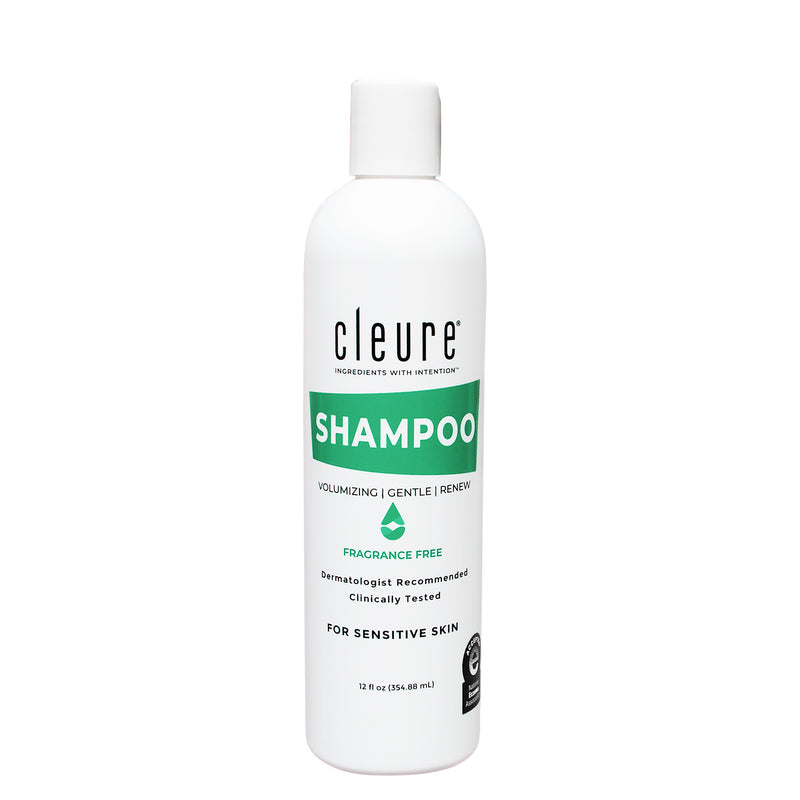
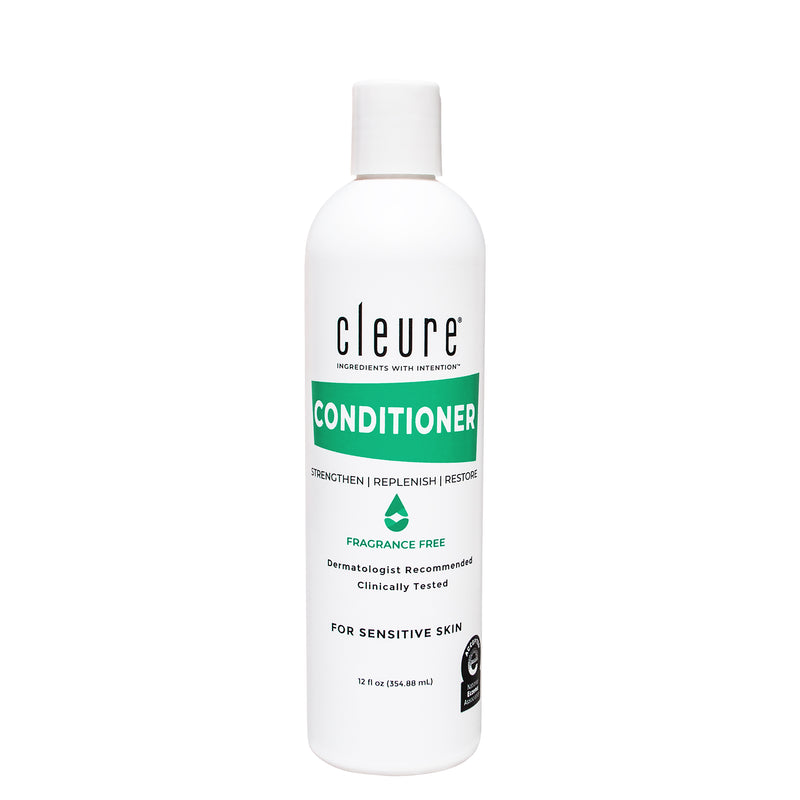
Cleure products are formulated without fragrance, dyes, sulfates, and other common irritants, and our Shampoo, Conditioner, and Body lotion carry the National Eczema Association Seal of Acceptance. They are not a treatment for eczema. If you have very reactive skin, patch-test first and check with your dermatologist.
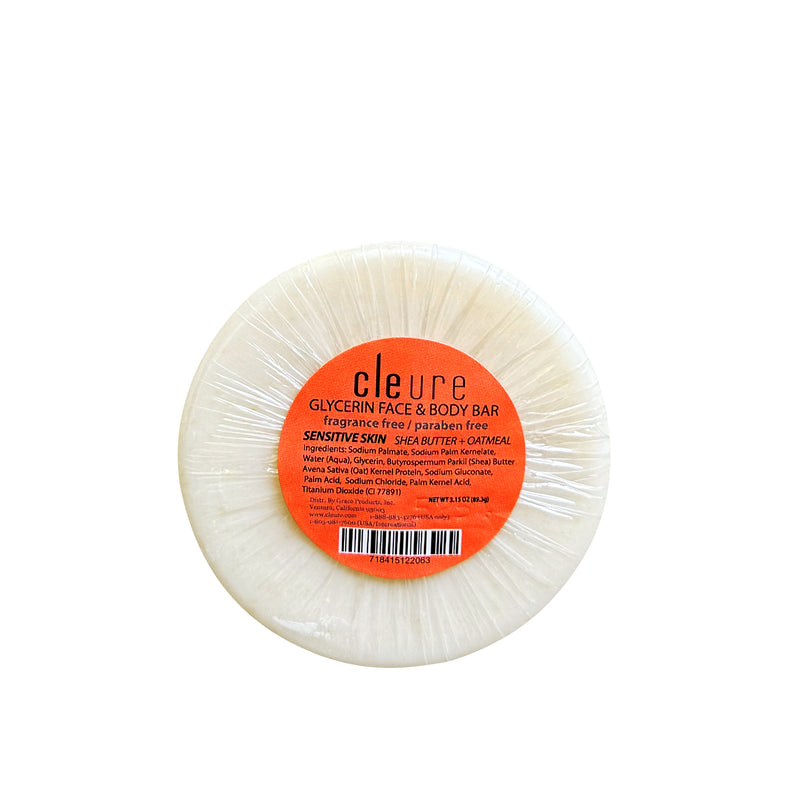
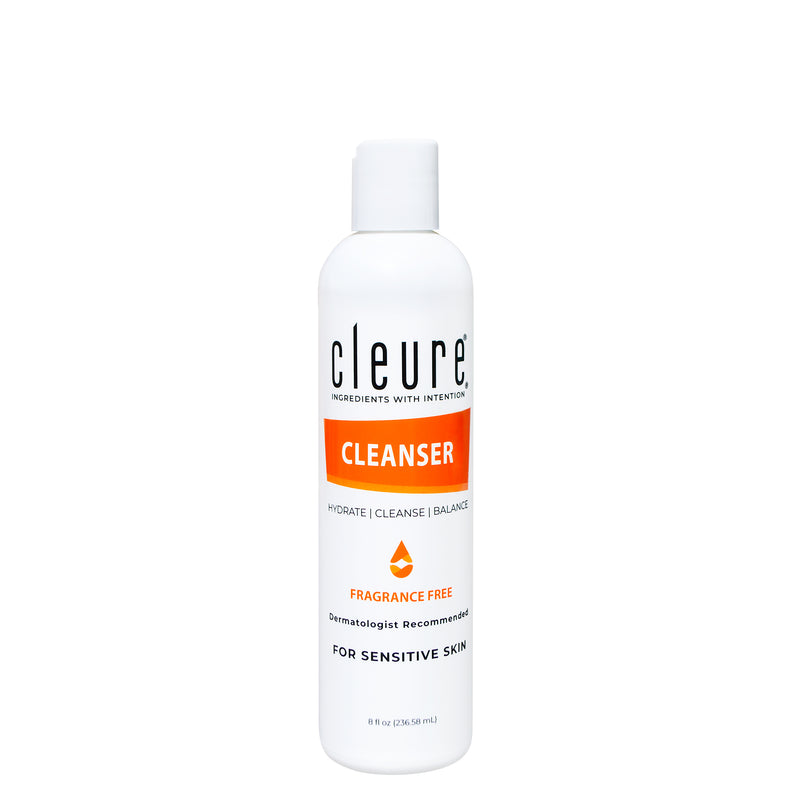
Most customers start with the Glycerin Face & Body Bar and the Shea Butter Body Lotion, then add the Gentle Hydrating Facial Cleanser and fragrance-free shampoo and conditioner so the whole routine is irritant-free.
Toothpaste sits on the skin around your mouth twice a day. Fluoride, flavor, and foaming agents can irritate sensitive skin there. Cleure toothpaste is fluoride-free, SLS-free, and available unflavored.
Stop using the product. For a severe reaction, contact your physician or emergency services. We recommend testing any new product on a small area of skin and waiting 24 to 48 hours before full use.
From our blog
Related Articles
Eczema guide: types, causes, symptoms, and careLearn about the seven types of eczema, common symptoms, causes and triggers, and ways to help manage eczema-prone...Read more
Best and worst ingredients for eczemaWe all strive for healthy perfect skin, and the itchy, flakey skin and inflamed red sores due to...Read more
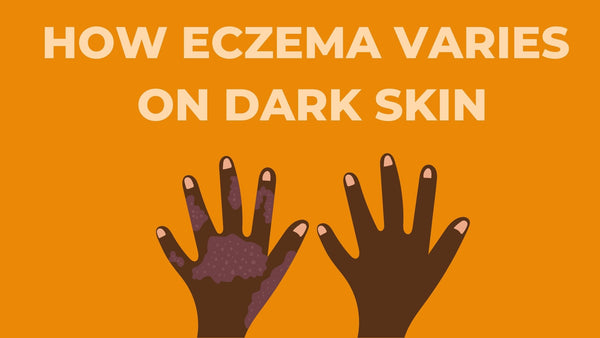
Eczema on dark skinIf you image search “eczema symptoms” you will see primarily light skin tones with patches of inflamed red...Read more
Stay in touch
Get the sensitive-skin routine guide
Sign up and we'll send a free add-on with your first order.
Sources
- National Eczema Association: Eczema causes and triggers
- American Academy of Dermatology: Eczema resource center
Cleure products are not intended to diagnose, treat, cure, or prevent any condition. Many customers with sensitive skin tell us a simpler, fragrance-free routine is easier to live with. If you have questions about Eczema, talk with your dermatologist or physician.