
How the Mouth Affects Women's Health
By Dr. Flora Stay
Many people are surprised to learn that heart disease remains the leading cause of death among women in the United States, according to the American Heart Association. What’s even more surprising? There is a strong connection between oral health and heart disease.
Your mouth is not separate from the rest of your body. Inflammation and bacteria linked to gum disease may increase the risk of cardiovascular problems, stroke, pregnancy complications, and other systemic conditions.
Because women experience significant hormonal changes throughout life, women’s oral health deserves special attention. From puberty to menopause, fluctuating hormones can directly affect the gums and overall oral environment.
Let’s explore how oral health impacts women at every stage of life – and what you can do to protect your smile and overall health.
The Link Between Oral Health and Heart Disease
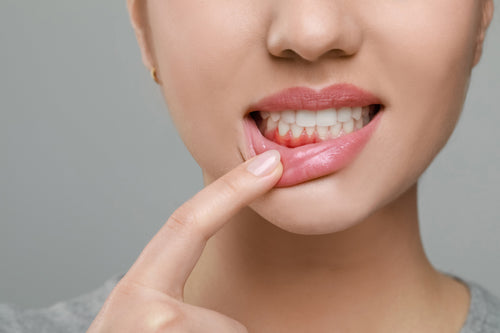
Gum disease (periodontal disease) is a chronic inflammatory condition caused by plaque buildup and bacterial infection. When gums bleed or become inflamed, bacteria can enter the bloodstream, potentially contributing to arterial inflammation.
Research continues to examine the relationship between gum inflammation and cardiovascular disease, but studies suggest that untreated gum disease may increase overall periodontal disease risk and contribute to systemic inflammation.
Warning signs of gum disease include:
- Bleeding when brushing or flossing
- Persistent bad breath
- Swollen or tender gums
- Receding gum lines
If you notice these symptoms, schedule a dental visit promptly.
Hormonal Changes and Women’s Oral Health
Hormones like estrogen and progesterone influence blood flow to gum tissue and can make gums more sensitive to plaque and bacteria. Below is how different life stages affect oral health.
Puberty and Gum Sensitivity
During puberty, rising estrogen and progesterone levels increase blood circulation to the gums. This may cause:
- Swelling
- Tenderness
- Bleeding during brushing
Without proper hygiene, plaque bacteria can trigger inflammation and increase the risk of gum disease in women.
Regular brushing, flossing, and dental checkups every six months are especially important during adolescence.
Menstrual Cycle & Menstrual Gingivitis
Hormonal fluctuations during the menstrual cycle can also affect gum tissue.
Menstrual Gingivitis
“Menstrual gingivitis” refers to red, swollen, tender gums that may bleed more easily before or during a period. Some women also experience:
- Canker sores
- Increased gum sensitivity
- Temporary bad breath
These symptoms usually subside after menstruation begins but can worsen without consistent oral hygiene.
Pregnancy and Oral Health
Pregnancy and oral health are closely connected. Hormonal changes increase susceptibility to gum inflammation, often called “pregnancy gingivitis.”
According to the American College of Obstetricians and Gynecologists, maintaining oral health during pregnancy is safe and important for both mother and baby.
Poor oral health during pregnancy has been associated with:
- Preterm birth
- Preeclampsia
- Gestational diabetes
The California Dental Association also notes that cavity-causing bacteria can be transmitted from mother to baby after birth.
Dental Care During Pregnancy
- Schedule a dental exam before or early in pregnancy
- Inform your dentist of medications and supplements
- Postpone non-urgent procedures until after delivery
- Avoid unnecessary X-rays (digital X-rays significantly reduce radiation exposure if needed)
Morning sickness can increase acid exposure in the mouth. Rinse with water or a baking soda solution and brush gently with non-irritating toothpaste.
Birth Control and Gum Disease
Hormonal contraceptives may affect gum tissue in some women.
Birth Control and Gum Disease
Oral contraceptives can increase gum sensitivity and inflammation, similar to pregnancy-related changes. Some women may experience:
- Swollen or bleeding gums
- Increased gingivitis risk
Additionally, certain antibiotics prescribed during dental treatment may reduce the effectiveness of birth control pills. Always inform both your dentist and physician about medications you are taking.
Menopause Oral Health Changes
During menopause, declining estrogen levels can impact saliva production and gum tissue.
Dry Mouth & Menopause
Dry mouth menopause symptoms are common and may include:
- Burning mouth sensation
- Altered taste
- Increased tooth sensitivity
- Higher cavity risk
Saliva plays a crucial role in neutralizing acids and washing away bacteria. Reduced salivary flow increases the risk of decay and gum disease.
Some women may also notice receding gums or loose teeth.
While hormone replacement therapy (HRT) may temporarily relieve symptoms, results vary and should be discussed with a healthcare provider.
Protecting Women’s Oral Health at Every Stage
No matter your age, these steps help reduce inflammation and protect both oral and heart health:
- Brush twice daily with a gentle toothpaste
- Floss daily
- Use alcohol-free mouth products
- Stay hydrated
- Schedule regular professional cleanings
- Eat a nutrient-dense, anti-inflammatory diet
A balanced diet also supports both oral and overall health. Learn more in our blog, The Best Foods and Nutrients for Healthy Skin.
FAQs About Women’s Oral Health
How does oral health affect heart disease?
Gum disease causes chronic inflammation, which may contribute to arterial inflammation and increase cardiovascular risk.
Can pregnancy cause gum problems?
Yes. Hormonal changes during pregnancy increase gum sensitivity and may lead to pregnancy gingivitis.
Why does menopause cause dry mouth?
Declining estrogen levels can reduce saliva production, leading to dry mouth, increased cavity risk, and gum sensitivity.
Do birth control pills affect oral health?
Hormonal contraceptives may increase gum inflammation in some women and slightly raise gingivitis risk.
Oral Health for Women
Your mouth is a window into your overall health. From puberty to menopause, hormonal changes can significantly affect women’s oral health. By maintaining excellent hygiene and scheduling regular dental visits, you reduce your risk of gum disease, support heart health, and protect your long-term wellbeing.
A healthy smile isn’t just cosmetic – it’s foundational to whole-body health.







Leave a comment
This site is protected by hCaptcha and the hCaptcha Privacy Policy and Terms of Service apply.